
Locations
Hindley
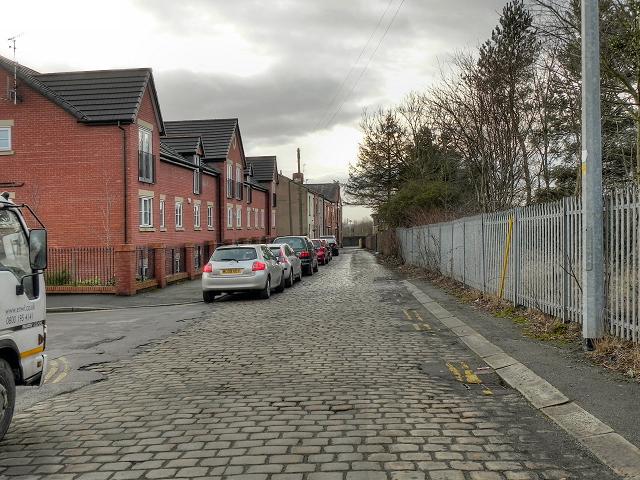
Located about three miles southeast of Wigan town center, Hindley is a historic town in the Metropolitan Borough of Wigan. With over 25,000 residents, it offers easy access to the larger North West while maintaining a strong sense of local identity. Industry shaped Hindley, as it did most of the Wigan region. The town's rows of red-brick terraces still bear witness to its 19th-century fast expansion brought about by coal mining and cotton spinning. Its churches tell an older tale: the magnificent Victorian St. Peter's Church is a well-known local landmark, while All Saints Church is a 17th-century chapel. Hindley is now a practical and friendly neighbourhood. A variety of everyday stores, cafes, and traditional pubs can be found in the town center, while nearby neighbourhoods like Hindley Green contribute to the mix of housing options, which range from contemporary family houses to historic terraces.
There is always green space around. The open landscape surrounding Amberswood Common is well-liked by hikers and wildlife enthusiasts, while Borsdane Wood, a nearby nature reserve on the outskirts of town, offers tranquil woodland treks in a wooded valley. Hindley has good connections as well. The town is connected to adjacent Bolton, Leigh, and the motorway network by the A58 and A577, while the M6 and M61 are both easily accessible from Hindley train station, which offers regular services to Wigan and Manchester. Hindley is a desirable option for first-time buyers, families and commuters around Greater Manchester because of its reasonably priced real estate, excellent transport connections and welcoming, community-focused culture.
Standish
Situated approximately three miles north of Wigan town center, Standish is a well-known town in the Metropolitan Boro of Wigan. While retaining much of its historic beauty, this once-rural community has developed into one of the borough's most sought-after locations to reside. The history of the town is lengthy and fascinating. At its center is St. Wilfrid's Church, a Grade I listed structure that was mostly restored in the late 16th century and houses monuments honouring the Standish family who owned the manor for many generations. The old market cross and stocks nearby provide a window into the town's history. Although there is now very little evidence of it, coal mining played a significant role in local life throughout the Industrial Revolution.
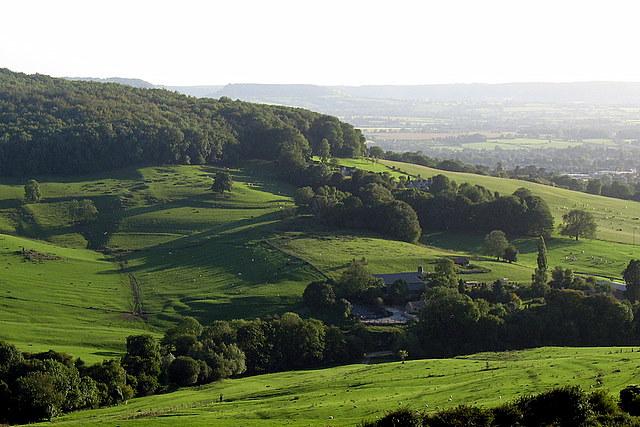
In addition to a good selection of local facilities, Modern Standish features a village-like center with independent stores, cafes, restaurants, and pubs. It is a firm choice among families because of its well-regarded schools. A big attraction is the surrounding landscape. The Leeds and Liverpool Canal offers miles of picturesque towpath walking and cycling, while Haigh Woodland Park, with its mediaeval hall, woodland trails, and family attractions, is only a short drive away. Near Parbold and Appley Bridge lies the undulating West Lancashire countryside. Standish is at a prime location for commuters. Wigan's mainline stations are only a few minutes away, and Junction 27 of the M6 provides easy access to Manchester, Liverpool, and Preston. Standish provides the ideal mix of convenience and rural living.